
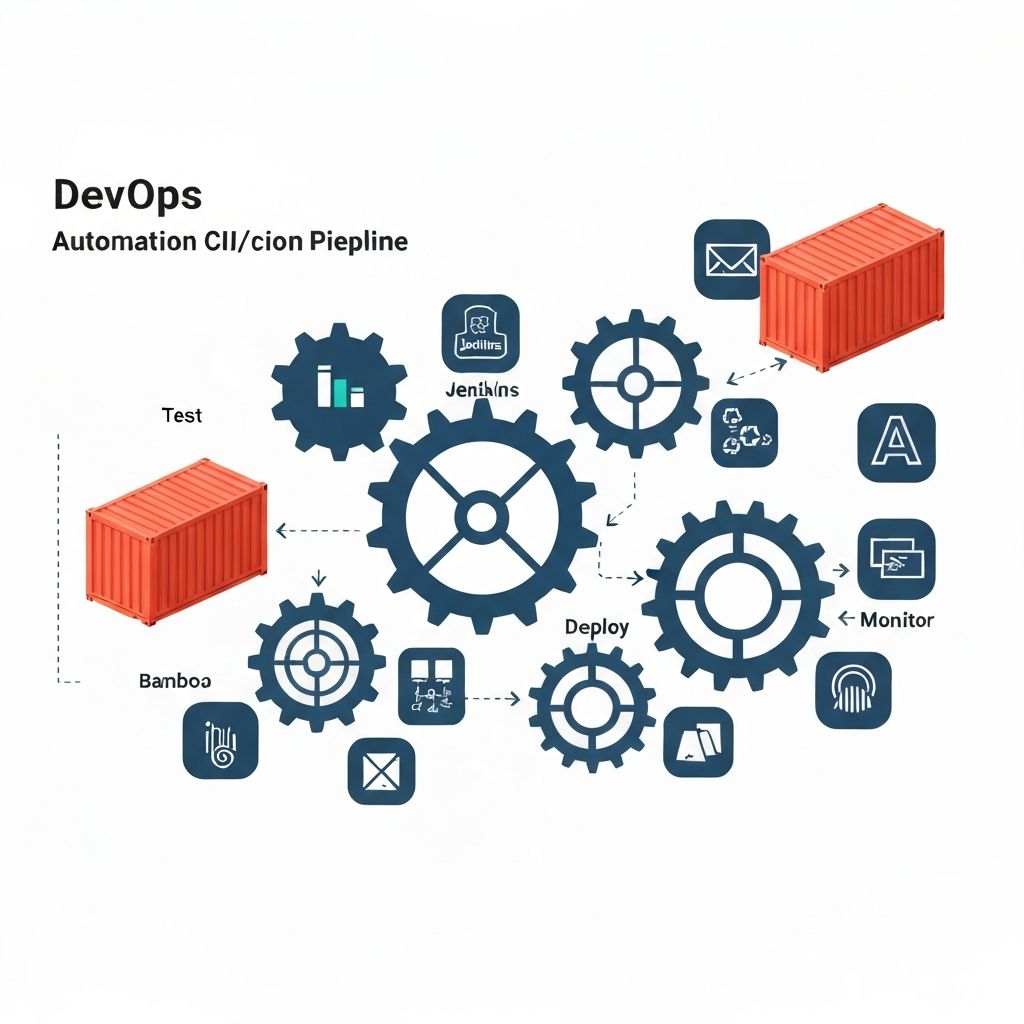
Top DevOps Trends to Watch in 2024
Discover the latest DevOps trends and practices that are shaping the future of software delivery and operations.
Top DevOps Trends to Watch in 2024
The DevOps landscape is evolving at a breakneck pace, with new tools, practices, and methodologies emerging to address the ever-growing complexity of modern software systems. As we navigate through 2024, several key trends are reshaping how organizations approach software delivery and operations.
The Evolution of DevOps
DevOps has come a long way since its inception. What started as a movement to break down silos between development and operations teams has evolved into a comprehensive approach to software delivery that emphasizes automation, collaboration, and continuous improvement.
Top Trends Shaping DevOps in 2024
1. Platform Engineering
Platform engineering is emerging as a crucial discipline within DevOps. Organizations are building internal developer platforms (IDPs) that provide self-service capabilities for developers while maintaining operational excellence.
Key Benefits:
2. GitOps Everywhere
GitOps has moved beyond Kubernetes to become a universal approach for managing infrastructure and applications. Using Git as the single source of truth for declarative infrastructure and applications enables better collaboration, audit trails, and rollback capabilities.
GitOps Advantages:
3. AI-Powered Operations (AIOps)
Artificial Intelligence is transforming how we monitor, manage, and optimize infrastructure. AIOps platforms use machine learning to:
4. Security-First DevSecOps
Security is no longer an afterthought but an integral part of the development lifecycle. DevSecOps practices are becoming standard, with security checks automated throughout the CI/CD pipeline.
Security Practices:
5. Serverless and FaaS
Serverless computing and Function as a Service (FaaS) continue to gain traction, allowing teams to focus on code rather than infrastructure management.
Serverless Benefits:
6. Observability Over Monitoring
Traditional monitoring is being replaced by comprehensive observability solutions that provide deep insights into system behavior through metrics, logs, and traces.
Observability Pillars:
7. Infrastructure as Code 2.0
IaC tools are evolving to become more developer-friendly and powerful, with better support for policy as code, testing, and validation.
Modern IaC Features:
8. Edge Computing Integration
As edge computing becomes more prevalent, DevOps practices are adapting to manage distributed infrastructure across edge locations.
Edge DevOps Considerations:
Best Practices for Modern DevOps
1. Embrace Automation
Automate everything that can be automated, from testing to deployment to infrastructure provisioning.
2. Foster a Culture of Learning
Encourage continuous learning and experimentation. Create safe environments for teams to try new tools and practices.
3. Measure Everything
Implement comprehensive metrics and KPIs to measure the effectiveness of your DevOps practices.
4. Start Small, Scale Gradually
Don't try to transform everything at once. Start with small, manageable changes and scale successful practices.
5. Prioritize Developer Experience
Invest in tools and platforms that improve developer productivity and satisfaction.
Challenges and Solutions
Challenge 1: Tool Sprawl
**Solution**: Consolidate tools where possible and standardize on a core set of platforms that integrate well together.
Challenge 2: Skills Gap
**Solution**: Invest in training and upskilling programs. Consider hiring DevOps coaches to guide teams.
Challenge 3: Cultural Resistance
**Solution**: Lead by example, celebrate wins, and demonstrate the value of DevOps practices through measurable improvements.
Challenge 4: Legacy Systems
**Solution**: Use strangler fig pattern to gradually modernize legacy systems while maintaining business continuity.
The Role of Containers and Kubernetes
Containers and Kubernetes remain central to modern DevOps practices, but the focus is shifting from basic orchestration to advanced patterns like service mesh, multi-cluster management, and edge deployment.
Container Trends:
Kubernetes Evolution:
Metrics That Matter
Track these key DevOps metrics to measure success:
Looking Ahead
The future of DevOps is exciting and full of possibilities. We can expect to see:
Conclusion
DevOps in 2024 is about finding the right balance between automation and human oversight, between standardization and flexibility, and between speed and stability. Organizations that embrace these trends while maintaining focus on their core business objectives will be well-positioned for success.
The key is to remember that DevOps is not about tools—it's about culture, practices, and continuous improvement. Technology enables DevOps, but people and processes make it successful.
James Rodriguez
DevOps Engineer
James Rodriguez is a seasoned DevOps Engineer with extensive experience in cloud infrastructure, automation, and CI/CD pipelines. He has helped numerous organizations modernize their software delivery practices and achieve faster, more reliable deployments.
Join the Discussion
Share your thoughts and engage with other readers about this article.
Never Miss an Update
Subscribe to our newsletter and get the latest tech insights delivered to your inbox.